
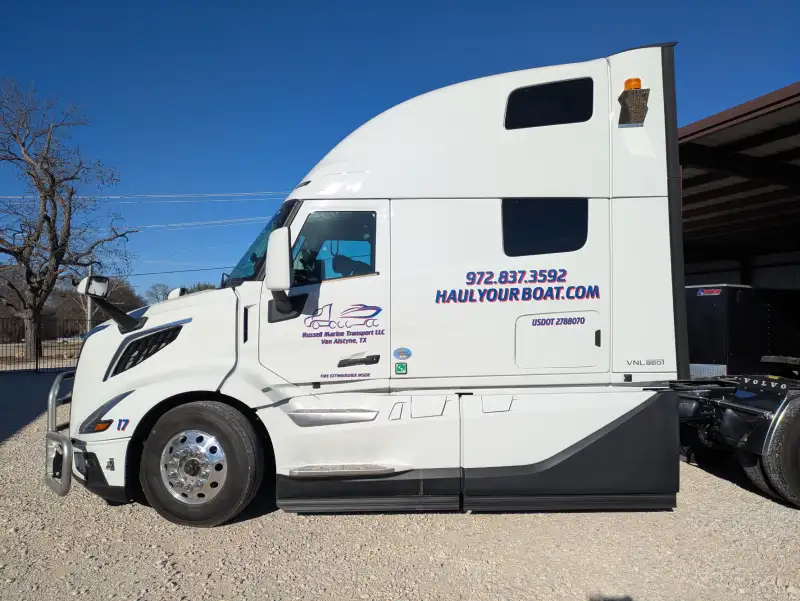
If you’re trying to decide between a vehicle wrap and fleet lettering for your North Texas business vehicles, the honest answer is: it depends on what you’re driving, how long you plan to keep the branding, and how much ground coverage you actually need. Both options put your business in front of thousands of drivers across DFW every day, but they get there in very different ways and the wrong choice can mean paying for coverage you don’t need or settling for visibility that doesn’t match your goals.
What’s the Difference Between a Vehicle Wrap and Fleet Lettering?
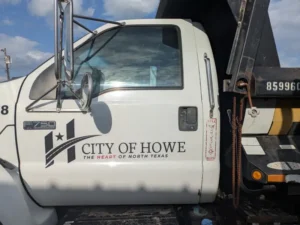
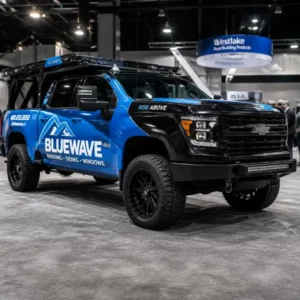
A vehicle wrap is a full or partial vinyl covering applied over the body panels of a vehicle, turning the entire exterior into a mobile billboard with photo-quality graphics, color changes, and full-coverage branding. Fleet lettering, sometimes called cut vinyl graphics, uses individually cut letters and logo shapes applied directly to the vehicle’s existing paint think company name, phone number, and logo on the doors and tailgate rather than wall-to-wall coverage.
In our experience working with fleets across McKinney, Plano, and the broader Metroplex, the decision usually comes down to three factors: how much of the vehicle needs to be branded, how long the vehicle will stay in service, and what kind of impression the business wants to make at a glance versus up close.
Full Wraps vs Partial Wraps vs Cut Lettering: Budget Breakdown
Full wraps cover nearly every exterior panel and require the most material and labor, which puts them at the top of the cost range. Partial wraps cover key panels hood, sides, rear and bring the price down while still delivering strong color and brand presence. Cut vinyl lettering, since it only covers the lettering and logo shapes rather than full panels, is the most budget-friendly option of the three.
Rather than quoting flat figures, the more useful way to think about it: a full wrap typically runs several times the cost of lettering alone, while a partial wrap usually lands in the middle. For an exact number based on your vehicle and design, request a quote through our consultation page rather than relying on a published price, since vehicle size, design complexity, and material grade all move the number.
Visibility Impact: Which One Gets Noticed?
Full wraps win on raw visual impact, bold colors, full-panel graphics, and a cohesive look that reads clearly even at highway speed. That said, fleet lettering with a clean, high-contrast design (dark lettering on a white work van, for example) is highly legible at close range, which matters more in parking lots, job sites, and stop-and-go traffic where people read your phone number rather than glance at a color scheme.
A useful way to frame it: wraps are built for brand impression at a distance, lettering is built for actionable information up close. Service businesses that rely on drive-by calls (plumbers, electricians, HVAC) often do well with strong lettering alone, while businesses building broader brand recognition across a multi-vehicle fleet tend to lean toward wraps.
Lifespan Under Texas Heat: What Actually Holds Up
Texas summers are hard on vinyl. UV exposure and sustained high temperatures accelerate fading and edge lifting faster than in milder climates, and this affects both wraps and lettering just not equally. Full and partial wraps, because they cover larger continuous surfaces, are more prone to visible fading across panels and require careful installation to prevent edge lifting at seams, especially around mirrors and door handles where heat and friction concentrate.
Cut vinyl lettering, with its smaller individual pieces and simpler shapes, tends to show wear less dramatically since fading on a logo or phone number is less visually disruptive than fading across an entire wrapped panel. In our experience, both options need quality cast vinyl (not calendared) to hold up to a North Texas summer, and proper installation matters as much as material grade poor edge sealing is the most common cause of early failure we see on local fleets.
Care and Maintenance: What Your Team Needs to Know
Wraps require more careful washing, hand washing or touchless car washes are strongly preferred over brush washes, which can lift edges and scratch laminate over time. Fleet lettering is more forgiving since there’s less surface area at risk, though the same touchless-wash recommendation still applies near the lettered panels.
Both options benefit from periodic inspection of edges and seams, particularly after a hot Texas summer, so any lifting can be addressed before it spreads. Businesses running daily-use fleets should build a quick monthly visual check into their existing vehicle maintenance routine rather than waiting until graphics show obvious damage.
Which One Makes Sense for Your Fleet?
If your goal is maximum brand visibility across a fleet of vehicles people will see repeatedly around DFW, a full or partial wrap delivers the strongest return. If your priority is clear, legible contact information at the lowest cost, especially for service vehicles that need to look professional without breaking the marketing budget, fleet lettering gets the job done efficiently. Many of our North Texas clients land on a hybrid approach: lettering as a baseline across the fleet, with wraps reserved for flagship or customer-facing vehicles.
Vehicle Wrap vs Fleet Lettering: Frequently Asked Questions
Is a vehicle wrap or fleet lettering better for a small business?
For most small businesses with one or two vehicles, fleet lettering offers the best return since it delivers clear, legible branding at a lower cost than a full wrap. As the fleet grows or the business wants a stronger visual identity, upgrading flagship vehicles to wraps later is a common next step.
How long does a vehicle wrap last in Texas heat?
A quality cast vinyl wrap installed correctly typically holds up for several years in North Texas conditions, though direct sun exposure and outdoor parking will shorten that compared to a vehicle kept in a garage or covered lot. Edge sealing and installation quality matter as much as the material itself.
Does fleet lettering look less professional than a full wrap?
Not when it’s designed well. Clean typography, strong color contrast, and consistent placement across the fleet read as professional and intentional, especially for service businesses where legibility matters more than full-panel graphics.
Can I switch from lettering to a wrap later without removing the original lettering?
Generally, yes! a wrap can be installed over removed lettering, but the original adhesive and any panel discoloration usually need to be addressed first for a clean result. It’s worth a quick inspection before assuming a direct upgrade is possible on an older vehicle.
Do I need different vinyl for trucks versus vans or cars?
Vehicle shape and panel contours affect which vinyl grade and installation technique work best, particularly around curves and rivets on trucks. A site visit or photo review is the most reliable way to confirm what your specific vehicle needs before ordering material.
How much of my fleet should I brand at once?
Most fleets don’t need to convert every vehicle simultaneously. Starting with the highest-visibility vehicles, those parked at job sites or driven the most daily mileage and expanding from there lets you evaluate results before committing the full fleet budget.