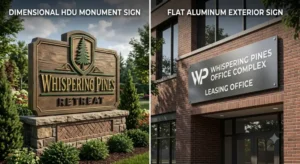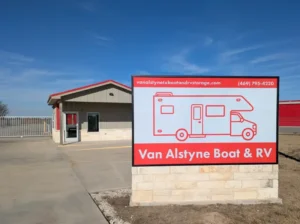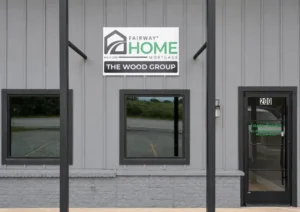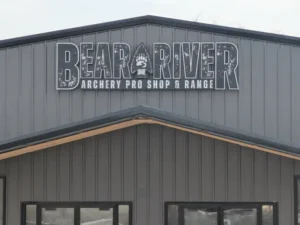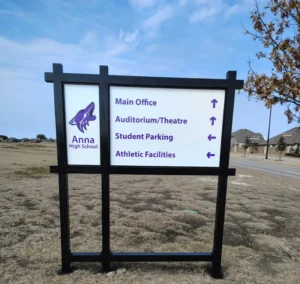

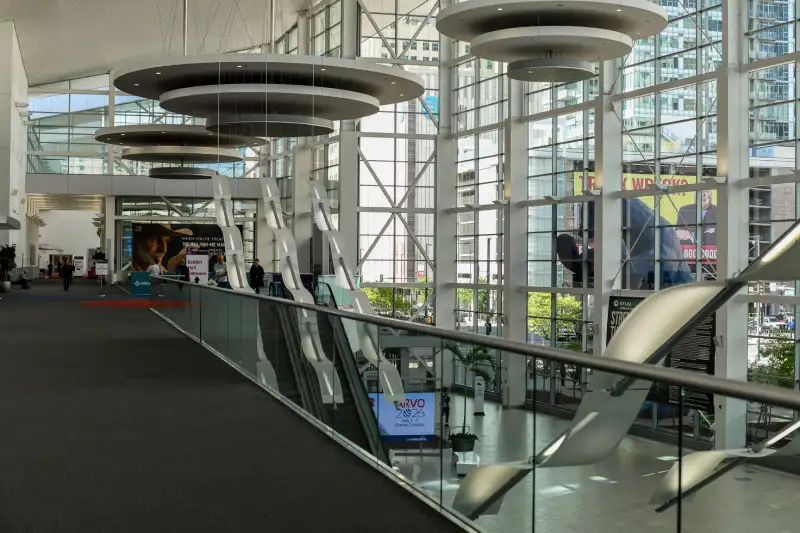
When Franchise Expo Dallas opens at the Irving Convention Center on September 18 and 19, 2026, the exhibit floor will be full of franchisors pitching a promise every buyer wants to hear: walk into any location, anywhere, and get the same experience. That promise starts outside the building, before a customer ever opens the door. Franchise signage brand consistency is what turns a single storefront into a recognizable system, and it is one of the most overlooked line items in a new franchisee’s opening budget. North Texas has become one of the busiest franchise growth markets in the country over the past few years, driven by population growth across Collin and Denton counties and steady new commercial construction along the major retail corridors. We’ve worked with enough multi-location brands in this market to know where that consistency holds up and where it quietly falls apart.
Why Signage Consistency Matters More in a Franchise Model
A single independent business can change its sign whenever the owner wants. A franchise cannot, and that is by design. Every location represents the same brand promise to a customer who may have visited a different store three states away last month. If the logo, colors, or letter style drift from one site to the next, that consistency breaks, and so does the trust a franchisor spent years building. In our experience installing signage for franchise locations across McKinney, Plano, Frisco, and Dallas, the sign is often the first and last touchpoint a customer notices, well before they read a menu or browse a shelf. Franchisors know this, which is why sign compliance shows up in nearly every franchise agreement, usually with more specificity than almost any other physical element of the business.
What’s Actually in a Franchise Sign Criteria Package
Most franchisors issue what’s called a sign criteria package, a document that reads more like an engineering spec than a style guide. It typically locks down exact PMS color codes, approved fonts and letter proportions, minimum and maximum sign dimensions relative to the building facade, illumination type (internally lit channel letters versus halo-lit versus non-illuminated), and acceptable substrate materials. Some packages go as far as specifying the exact depth of channel letter returns or the sheen level on painted raceways. For a franchisee, this document is non-negotiable in almost every case. For the sign company building it, the sign criteria package is the starting point, not the finished design. Local site conditions, from lease restrictions to city sign codes, still have to be reconciled against it before anything gets fabricated. We start every franchise project by reading that document line by line, because the fastest way to blow a rollout budget is to fabricate a sign and then discover the local jurisdiction will not permit it as drawn.
Approved Vendor Programs and Why They Exist
Many franchise systems maintain an approved vendor program, a short list of sign companies pre-vetted to build to brand spec without constant oversight from corporate. From the franchisor’s side, this protects consistency at scale across dozens or hundreds of locations. From the franchisee’s side, it can feel restrictive, especially if a local fabricator familiar with McKinney, Plano, or Frisco permitting offices is not already on that list. The practical middle ground we’ve found is straightforward: get added to the approved vendor list before starting design work, or get written sign-off from the franchisor’s brand or facilities team on any deviation before submitting for a permit. Skipping that step is one of the more expensive mistakes we see, because reworking a sign that corporate rejects after installation costs far more than the delay of asking first. Franchisors that maintain a well-managed approved vendor list, rather than leaving fabricator selection entirely to individual franchisees, also tend to see fewer post-installation corrections, since a vendor who has already built for that brand understands exactly how much local variation corporate will tolerate before a resubmittal is required.
Typical Timeline From Lease Signing to Sign Approval
Franchisees opening a first location are often surprised by how long sign approval takes relative to the rest of buildout. A straightforward channel letter package can move from design to permit issuance in three to five weeks once the sign criteria package and landlord approval are both in hand, assuming the local jurisdiction does not require a variance. Add a variance request for height, illumination, or setback, and that timeline can stretch past two months, since most North Texas cities only hear variance cases at monthly zoning board or planning and zoning meetings. Franchisees working backward from a grand opening date need to build sign approval into the schedule well before flooring and fixtures go in, not after, because a sign delay is one of the few buildout delays a landlord notices from the parking lot. We tell every new franchisee the same thing on the first call: send over the sign criteria package and the lease exhibit the day the lease is signed, not the week before the grand opening date is announced to corporate.
Where Local Site Conditions Collide With National Brand Standards
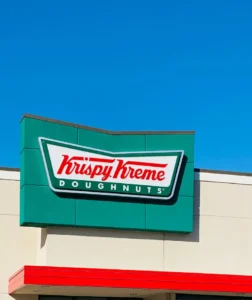
Brand standards documents are written to apply nationally, but sign permitting happens city by city, and North Texas cities do not all regulate signage the same way. McKinney’s sign ordinance limits monument sign height differently than Frisco’s, Plano restricts certain illumination types in specific overlay districts, and a shopping center’s own lease criteria can cap channel letter height below what the brand book calls for. When a franchise brand’s national spec exceeds what a local jurisdiction allows, someone has to reconcile the two, and that is where a local fabricator earns their fee. We handle franchise-compliant exterior signage by treating the brand guidelines as the target and the local code as the boundary, then documenting exactly where compromises had to be made so the franchisee has a paper trail if corporate ever asks why a sign looks slightly different from the prototype store.
Vehicle Branding Is Part of the Consistency Equation Too
Building signage is not the only place brand consistency gets tested. Franchise systems with delivery vehicles, mobile service fleets, or regional sales reps typically extend the same brand standards document to cover vehicle graphics, right down to logo placement and required decal size on doors and tailgates. A franchisee who nails the storefront but sends out an unbranded pickup truck is still leaking brand equity every time that truck is parked in a customer’s driveway. We coordinate vehicle wraps for your fleet alongside exterior sign projects for franchise clients specifically so both go through brand approval together, rather than treating vehicles as an afterthought once the building sign is already installed.
Working With a Local Fabricator on National Rollouts
A franchisor’s real estate or facilities team is usually managing sign approvals for locations opening in a dozen states at once, which means submittals need to be clean and complete the first time. We have found the fastest path through corporate approval is providing exactly what their process expects: scaled elevation drawings, PMS-matched color callouts, illumination specs, and a photo of the exact building elevation the sign will mount to. Skipping any one of these tends to bounce a submittal back for revisions, which adds weeks to an opening timeline that a franchisee is often paying rent against already. For multi-location operators planning several openings across North Texas in the same year, we keep records from the first location on file, including the exact code citations used to justify any deviation from the brand book, so the second and third builds move faster since most of the reconciliation between brand spec and local code has already been solved.
Whether a franchisee is opening their first location before Franchise Expo Dallas wraps up or their fifth location a year from now, the sign is one of the few brand elements a customer notices without thinking about it consciously. Getting it right the first time protects both the franchisor’s brand and the franchisee’s opening budget, and it avoids the far more expensive scenario of a corporate rejection after a sign is already fabricated and sitting in a shop waiting for install. If a sign criteria package just landed in your inbox and you are not sure how it applies to a specific North Texas address, that is exactly the kind of question worth asking before a single letter gets fabricated.
Frequently Asked Questions
What is a franchise sign criteria package?
A sign criteria package is the document a franchisor issues that locks down exact colors, fonts, dimensions, illumination, and materials for every location’s signage. It functions more like an engineering spec than a style guide, and franchisees are typically required to follow it without deviation unless a local code conflict forces a documented exception.
Do all franchise locations have to use the same sign company?
Not always, but many franchise systems maintain an approved vendor program that limits sign fabrication to a pre-vetted list of companies. Franchisees working outside that list usually need written sign-off from the franchisor’s brand or facilities team before a permit is submitted.
Can a franchise sign be modified to comply with local city code?
Yes, and it often has to be, since national brand standards do not always match what a specific city’s sign ordinance allows. A qualified local fabricator reconciles the two by treating the brand guidelines as the target and the local code as the boundary, then documenting where any compromise was made.
What happens if a franchise sign doesn’t match brand standards?
A sign that deviates from brand standards without prior approval can be rejected by the franchisor after installation, which usually means paying for rework or replacement out of pocket. Getting written approval for any deviation before fabrication is the only way to avoid this cost.
How long does it take to get a franchise sign permitted in North Texas?
A straightforward channel letter sign typically takes three to five weeks from design to permit issuance once the sign criteria package and landlord approval are in hand. A variance request for height, illumination, or setback can push that timeline past two months.
Does franchise signage include vehicle wraps and fleet graphics?
Yes, most franchise brand standards documents extend to vehicle graphics for delivery vehicles, mobile service fleets, or company vehicles, specifying logo placement and decal size the same way they do for building signs. Coordinating vehicle wraps alongside exterior signage keeps both on the same brand approval timeline.