
Your storefront window is the most valuable advertising space you already own, and most retail businesses waste it. Well-designed window graphics for retail turn a blank pane of glass into a silent salesperson that communicates promotions, hours, and brand identity to everyone who walks by. In busy North Texas retail corridors across Plano, Frisco, and McKinney, the difference between a window that stops shoppers and one they ignore often comes down to material choice and message clarity. This guide covers what works and why.
Why Window Graphics Convert Passing Traffic
Foot traffic is intent you have not captured yet. A shopper walking past your storefront has already left home, chosen this shopping center, and is within a few steps of your door. A clear, timely window message closes the small gap between passing by and walking in. Retailers consistently see that a limited-time promotion or a bold value statement in the window lifts walk-in traffic, because it gives an undecided shopper a reason to act now.
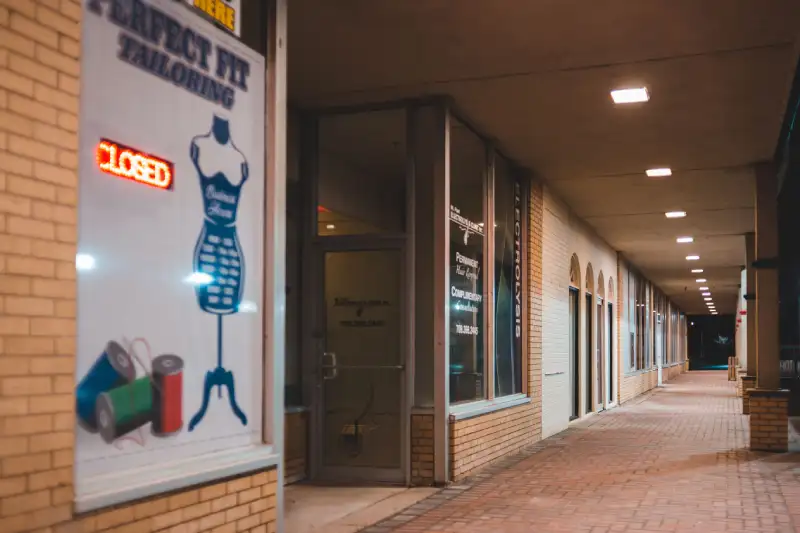
Window graphics also work when your store is closed. Hours, upcoming sales, and brand messaging keep selling at night and on weekends, turning your glass into a 24-hour billboard that costs nothing per impression once installed.
The Main Types of Retail Window Vinyl
Not all window graphics are the same. The material you choose controls visibility from inside, durability, and how much of the glass you cover. Matching the material to the goal is where most decisions go right or wrong.
Perforated Vinyl (One-Way Vision)
Perforated vinyl is printed with tiny holes so it reads as a solid graphic from outside while remaining see-through from inside. It is ideal for large window coverage when you still want natural light and outward visibility for staff and customers. Retailers use it for full-window brand imagery and seasonal campaigns without making the store feel boxed in.
Opaque Vinyl
Opaque vinyl is solid and vivid, delivering the sharpest color and contrast. It is the best choice for logos, promotional headlines, and bold graphics where maximum impact matters more than seeing through the glass. Because it blocks the view, it works well on lower window sections or partial coverage.
Clear and Frosted Decals
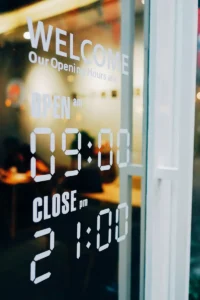
Clear decals let you place hours, phone numbers, or fine detail directly on the glass with a clean, minimal look. Frosted vinyl adds privacy and a premium feel, often used on entry doors and lower panels for boutiques and service retailers that want an upscale storefront.
Designing a Window That Stops Shoppers
Great window graphics follow a few rules. Keep the primary message to a handful of words that read in under three seconds from across the parking lot. Lead with the benefit or the offer, not your logo. Use high contrast so the message is legible in bright Texas sunlight, which washes out low-contrast color combinations. And leave breathing room; a cluttered window reads as noise and gets skipped.
Placement matters as much as design. Position key messages at eye level for pedestrians and slightly higher for drivers passing at slow speeds. Reserve the lower glass for details like hours and the entry door for your brand mark, so the message hierarchy guides the eye from street to door.
Permanent Branding vs. Temporary Promotions
A smart storefront combines two layers. Permanent graphics carry your logo, tagline, and hours and stay up year-round to build recognition. Temporary event graphics, sales, seasonal campaigns, and grand openings, are printed on removable vinyl that comes off cleanly without residue. For a launch, dedicated event signs for a grand opening or seasonal push amplify the window message even further. Planning for both up front lets you refresh promotions frequently while keeping your core brand presence stable and professional.
For North Texas retailers, the seasonal calendar drives a lot of this. Back-to-school, holiday shopping, and spring promotions each deserve their own temporary graphics, while your window graphics for your retail location keep the base brand consistent between campaigns.
Caring for Window Graphics in the Texas Climate
Direct sun and heat are the main enemies of window vinyl. Quality cast vinyl with UV-stable inks resists fading far better than budget calendared material, which matters on south- and west-facing storefronts that take the full afternoon sun. Clean graphics with a soft cloth and mild soap rather than abrasive cleaners, and expect several years of life from professionally installed, high-grade vinyl. Cutting corners on material is the fastest way to end up with a cracked, faded window that hurts your brand more than it helps.
Measuring Whether Your Window Graphics Are Working
Window graphics are an investment, so it helps to know whether they are earning their place. The simplest measure is a before-and-after comparison of walk-in traffic. Note your average daily foot traffic for a few weeks, install a promotional window graphic, and watch whether walk-ins rise. Many retailers pair a window offer with a trackable element, a code word at checkout, a scan-to-claim discount, or a limited-time coupon, so they can tie new customers directly to the window message.
You can also learn a lot just by watching the sidewalk. Do passersby slow down, look, and read? If people walk by without a glance, the message is probably too small, too cluttered, or too low-contrast to register at a glance. Treat your window like an ad you can revise cheaply: test one message, measure the response, and refine. That feedback loop is what separates a decorative window from one that reliably pulls people through the door.
Combining Window Graphics With Your Wider Storefront
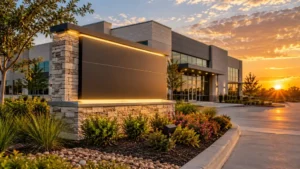
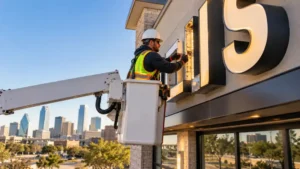
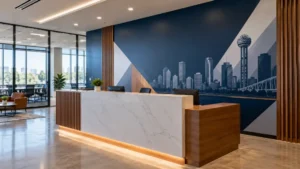
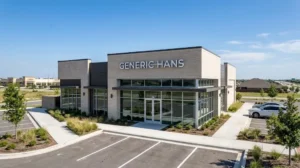
Window graphics work hardest when they are part of a coordinated storefront, not a standalone afterthought. Your exterior signs for your storefront draw the eye from across the parking lot, the window graphics deliver the offer at sidewalk distance, and interior signs that continue your brand inside confirm the message once a shopper steps in. When all three share the same colors, fonts, and tone, the storefront reads as one confident brand rather than three disconnected messages.
For multi-location retailers, consistency across storefronts also builds recognition. A shopper who learns your look at one North Texas location should recognize it instantly at the next. Standardizing your window graphic templates, and swapping only the seasonal offer, keeps every location on brand while still letting each one run timely, local promotions.
The businesses that get the most from window graphics treat the glass as living advertising space rather than a one-time decoration. They plan a yearly calendar of window messages tied to their busiest seasons, keep the design simple enough to read at a glance, and refresh the offer often enough that regulars always see something new. Done this way, a storefront window earns its keep every single day it faces the street, at a cost per impression almost no other form of advertising can match.
Frequently Asked Questions About Window Graphics for Retail
Can people see inside if I cover my windows with graphics?
It depends on the material. Perforated one-way vision vinyl lets you cover the full window while keeping outward visibility from inside, so the store still feels open. Opaque vinyl blocks the view and is better used on partial coverage or lower panels.
Will window graphics damage my glass or leave residue?
Professionally installed removable vinyl comes off cleanly without residue or damage when it is time to change it. Problems usually come from low-quality adhesive or leaving budget vinyl up far past its lifespan in direct sun.
How long do retail window graphics last in Texas heat?
High-grade cast vinyl with UV-stable ink typically lasts several years even on sun-facing storefronts. Temporary promotional graphics are designed for shorter campaigns and are removed once the promotion ends.
What should the main message on my window say?
Lead with a clear benefit or offer in a few words that read in under three seconds. Save your logo, hours, and details for secondary placement so the primary message does the work of stopping shoppers.