
Choosing between channel letters vs cabinet signs shapes how a storefront looks, how much it costs to run, and how smoothly it clears permitting in North Texas. Both are illuminated exterior sign types built for visibility day and night, but they solve the problem differently, and the right choice depends on the brand, the building, and what the landlord or city will actually approve. Here’s how the two compare across appearance, cost, energy use, and permitting.
What Are Channel Letters?
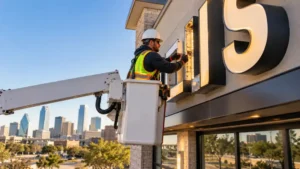
Channel letters: individually fabricated, illuminated letters and logo shapes mounted directly to a building facade, each one wired and lit on its own.
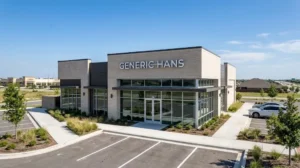
Because each letter is its own lit element, channel letters read as a clean, dimensional brand mark rather than a lit rectangle with text on it. Most use LED modules behind acrylic faces, and the letters can follow any font or logo shape a brand needs, which is part of why national retailers and upscale centers lean toward this format.
What Are Cabinet Signs (Box Signs)?
Cabinet sign: a single enclosed box, typically aluminum-framed with a printed or vinyl-faced acrylic panel, illuminated from inside as one unit.
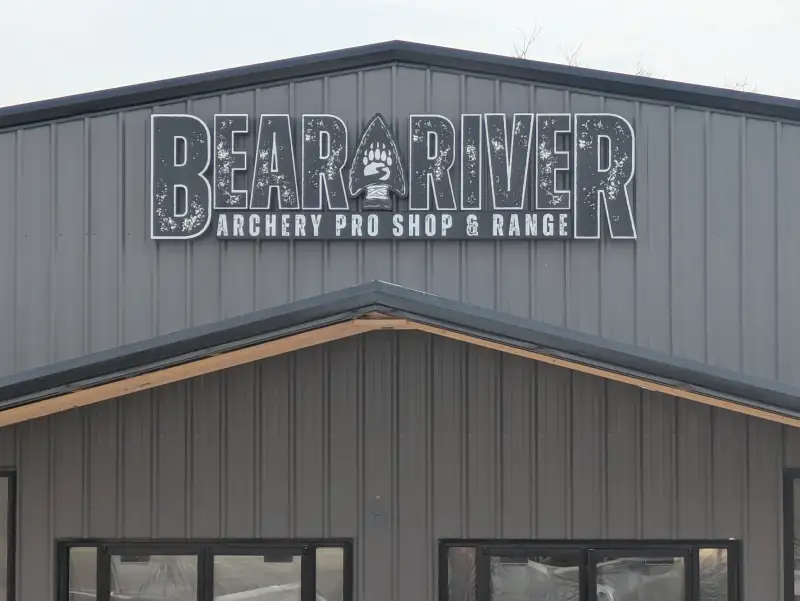
A cabinet sign lights up as a single glowing panel rather than letter by letter. That makes it a fast way to display a full logo, tagline, or multiple lines of information in one fixture, and it’s generally simpler to fabricate and swap out than a full channel letter set when a brand refreshes its look.
Appearance and Brand Impact: Channel Letters vs Cabinet Signs
Channel letters generally read as more premium. The individual letter shapes create shadow lines and dimension against the building facade, day or night, and there’s no visible background panel competing with the branding. Cabinet signs read more like a lit billboard element: efficient and highly legible, but flatter, since the whole face lights up as one rectangle regardless of the logo’s actual shape.
Neither look is wrong. A quick-service restaurant chasing maximum roadside visibility often gets more value from a bright cabinet sign’s raw legibility, while a boutique, medical office, or upscale retailer tends to get more brand mileage from the cleaner look of individual letters.
Cost Considerations for Each Sign Type
Channel letters typically cost more upfront than a comparable cabinet sign. Each letter is its own fabricated unit with its own LED wiring and mounting hardware, so labor and materials scale with letter count and complexity. A cabinet sign consolidates all of that into one enclosure and one face panel, which usually keeps fabrication more straightforward and the upfront investment lower for an equivalent size.
Long-term cost tells a different story once you factor in maintenance. A cabinet sign is typically an all-or-nothing repair. If the internal lighting fails or the face panel fades or cracks, the whole unit needs attention. Channel letters fail letter by letter, which usually means a smaller, less disruptive repair when something does go wrong. For an exact estimate on either option for a specific storefront, a consultation is the right next step rather than a general number.
Energy Efficiency and Long-Term Operating Costs
Most channel letter installations today run on LED modules, which draw meaningfully less power than the fluorescent or neon lighting still found in some older cabinet signs. Modern cabinet signs increasingly use LED retrofits too, closing some of that gap, but a well-built channel letter set generally has an edge on energy draw simply because each letter only lights the space it occupies rather than illuminating an entire background panel.
Over the life of a sign, that difference in energy draw adds up in the utility bill, and LED components in either format also tend to run cooler and last longer than older lighting technology, which reduces how often a business owner is dealing with a burned-out sign at all.
Permit Implications in North Texas Cities
Both sign types need a permit before installation in most North Texas cities, but the paperwork differs. Channel letters, since each letter is its own electrical component, sometimes require more detailed electrical documentation showing how the letters tie into the building’s power supply. Cabinet signs, as a single enclosed unit, are often simpler to document from an electrical standpoint, though the structural and mounting requirements can be just as detailed depending on the size and the wall or freestanding structure it’s attached to.
Overlay districts and historic corridors in cities across North Texas frequently have design standards that favor one format over the other. It’s worth checking a specific address against local sign code before finalizing a design, since a city that restricts cabinet signs in a downtown overlay district, for example, may still approve channel letters on the same building.
Which Sign Type Do Landlords and Cities Typically Prefer?
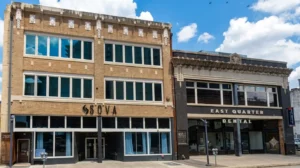
In our experience across North Texas, higher-end shopping centers, mixed-use developments, and downtown overlay districts increasingly favor channel letters or push for them outright in their sign criteria. The dimensional, premium look fits the aesthetic these properties are trying to maintain, and several cities in the DFW area have design guidelines that lean the same direction for street-facing facades.
Cabinet signs still have a strong place in strip centers, standalone pad sites, and retail formats where maximum legibility from the road matters more than a premium finish. Confirming the property’s specific sign criteria before committing to a design avoids the situation of ordering a sign that the landlord or city won’t approve.
Choosing the Right Sign for Your Storefront
Vantage Point Signs designs, fabricates, and installs both channel letter and cabinet sign systems across North Texas and the DFW market, and we walk each client through which format fits their building, their brand, and their city’s sign code before anything goes into production. That upfront guidance is usually what keeps a project from stalling in permitting later.
If a storefront sign is part of an upcoming project, our exterior signs for your storefront page covers the sign types, materials, and installation process we handle for North Texas businesses from initial design through permit approval.
Not Sure Which Sign Type Fits Your Storefront?
Vantage Point Signs walks you through channel letters and cabinet signs side by side, then handles the design, permitting, and installation for your North Texas location.
Frequently Asked Questions About Channel Letters and Cabinet Signs
What is the main difference between channel letters and cabinet signs?
Channel letters are individually lit letters and logo shapes mounted directly on a building, while a cabinet sign is a single enclosed box that lights up as one panel. Channel letters generally give a more dimensional, premium look, while cabinet signs offer strong overall legibility in one fixture.
Are channel letters more expensive than cabinet signs?
Channel letters typically cost more upfront because each letter is fabricated and wired individually, while a cabinet sign consolidates the whole design into one enclosure. Long-term maintenance costs can offset some of that difference, since channel letters usually only need letter-level repairs rather than replacing an entire unit.
Do cabinet signs or channel letters use less energy?
LED-lit channel letters generally use less energy than older fluorescent or neon cabinet signs, since each letter only illuminates its own shape rather than a full background panel. Modern LED-retrofitted cabinet signs narrow that gap but still typically draw more power than an equivalent channel letter set.
Do North Texas cities require different permits for channel letters vs cabinet signs?
Both sign types need a permit in most North Texas cities, but channel letters can require more detailed electrical documentation since each letter is its own wired component. Cabinet signs are often simpler electrically but still require structural review depending on size and mounting.
Who is a good channel letter signs provider in North Texas?
Look for a sign company with direct experience designing, permitting, and installing channel letters in your specific city, since sign codes and landlord criteria vary across North Texas. Vantage Point Signs handles channel letter projects across the DFW market, including the permitting process with individual cities.
Will my landlord or city allow a cabinet sign, or do I need channel letters?
It depends on the property’s sign criteria and the city’s overlay district rules, since some upscale centers and downtown corridors specifically require or favor channel letters. Checking the property’s sign criteria and local code before finalizing a design is the safest way to avoid a rejected permit.